
New lease, bare white walls, and most of your money already went to the deposit and the movers? That’s where most first apartments start, and it’s a good place to start: an empty room shows you what it actually needs.
Apartment decorating on a budget works best in the right order. Use what you own, buy secondhand, then spend on the few things that change how a room feels. Each of these 15 ideas has a cost tier and a straight answer on whether it’s safe in a rental. Fourteen need no drilling.
We start with the free ideas, then secondhand finds, light and textiles, walls and the small spots that make a home.
Quick take
- Biggest change for the least money: warm lamps instead of the ceiling light (#7).
- Renter-safe picks that need no tools: #1, #2, #6, #7, #10, #11 and #14.
- Spend in this order: free fixes, then light and textiles, then a rug, then furniture.
- Two numbers worth knowing: keep walkways about 30 to 36 inches wide, and leave 12 to 18 inches of bare floor between a rug and the walls.
Start With What You Already Own
1. Shop Your Own Home First
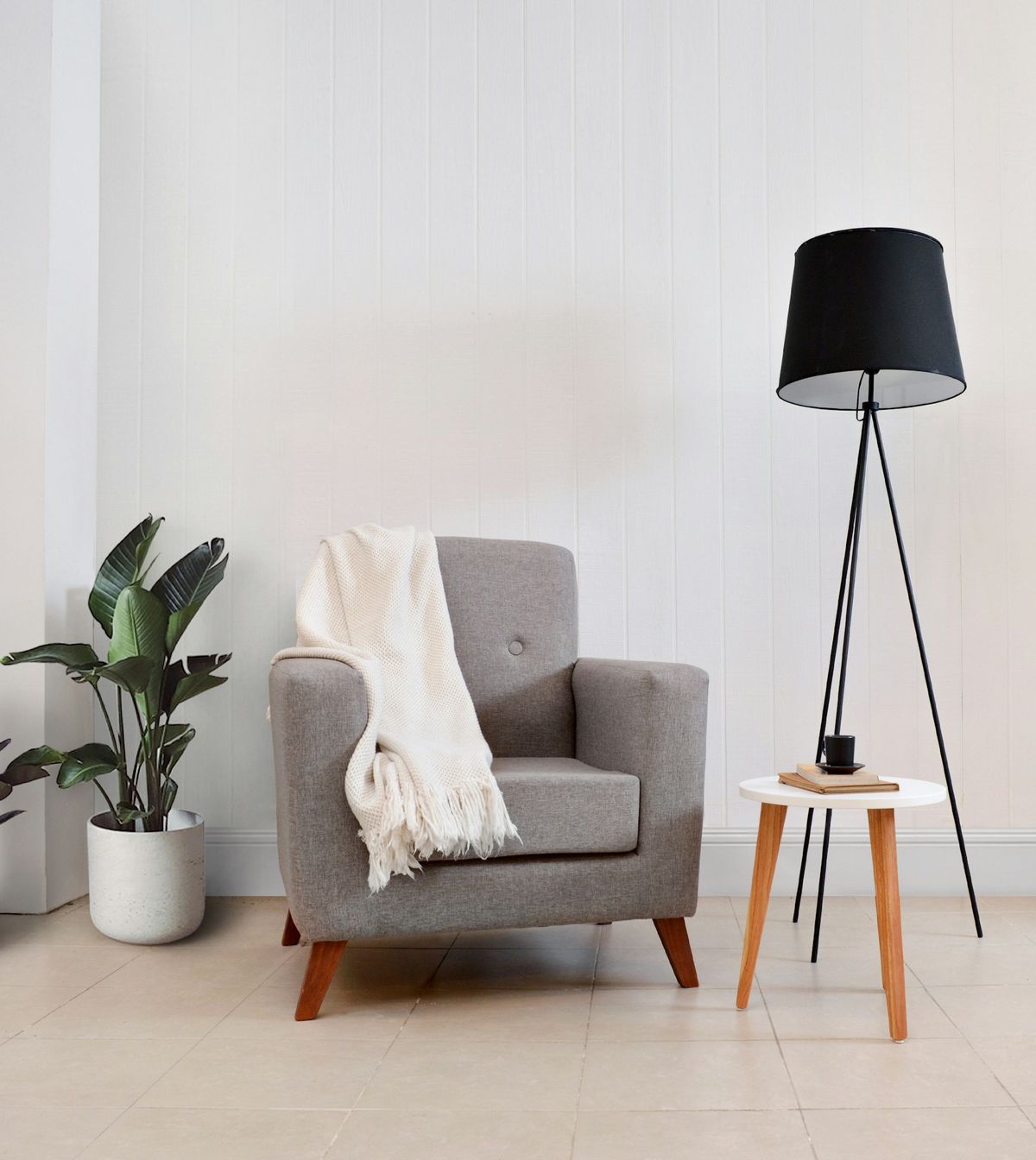
The cheapest decor is already in your boxes. A lamp from the bedroom, a chair stuck by the door or a throw buried in the closet can finish a corner once it moves to where you spend your evenings.
Pull out everything that isn’t working where it is: lamps, side tables, baskets, art and plants. Then build one complete corner, such as a chair, a lamp, a small table and a throw. One finished spot makes the rest of the room look intentional while you work on it.
Cost: Free · Renter-friendly: Yes
Small-space trick: try each piece in its new spot for a few days. Things often look better in a different room than the one they came from.
2. Edit Before You Add
A small apartment fills up fast, and a crowded room looks cheaper than a sparse one. Clear surfaces and open floor read as calm, and calm is most of what “cozy on a budget” means.
Clear every flat surface, then put back only what you use or love. A simple limit for small spaces is three things per surface: something useful, something that gives light and something you like looking at. Box up the rest for two weeks, and sell or donate what you don’t miss.
Cost: Free · Renter-friendly: Yes
Budget tip: list unneeded pieces on a local resale site the same week. One unused chair can pay for a lamp and a set of pillow covers.
3. Arrange Furniture for Flow, Not Against Every Wall
Pushing every piece against the walls leaves an empty middle that feels like a waiting room. Pulling the seats closer together makes a spot for conversation and often a clearer path through the room.
Group the sofa and chairs so people can talk easily. Designers quoted in a Homes & Gardens spacing guide suggest about 14 to 18 inches between sofa and coffee table, and 30 to 36 inches between large pieces. In tight rooms, they put the lower limit at about 24 inches.
Cost: Free · Renter-friendly: Yes
Good to know: measure before you move anything heavy. Ten minutes with a tape measure saves a lot of sofa-dragging.
Buy Smart: Secondhand First
4. Shop Secondhand for the Big Pieces
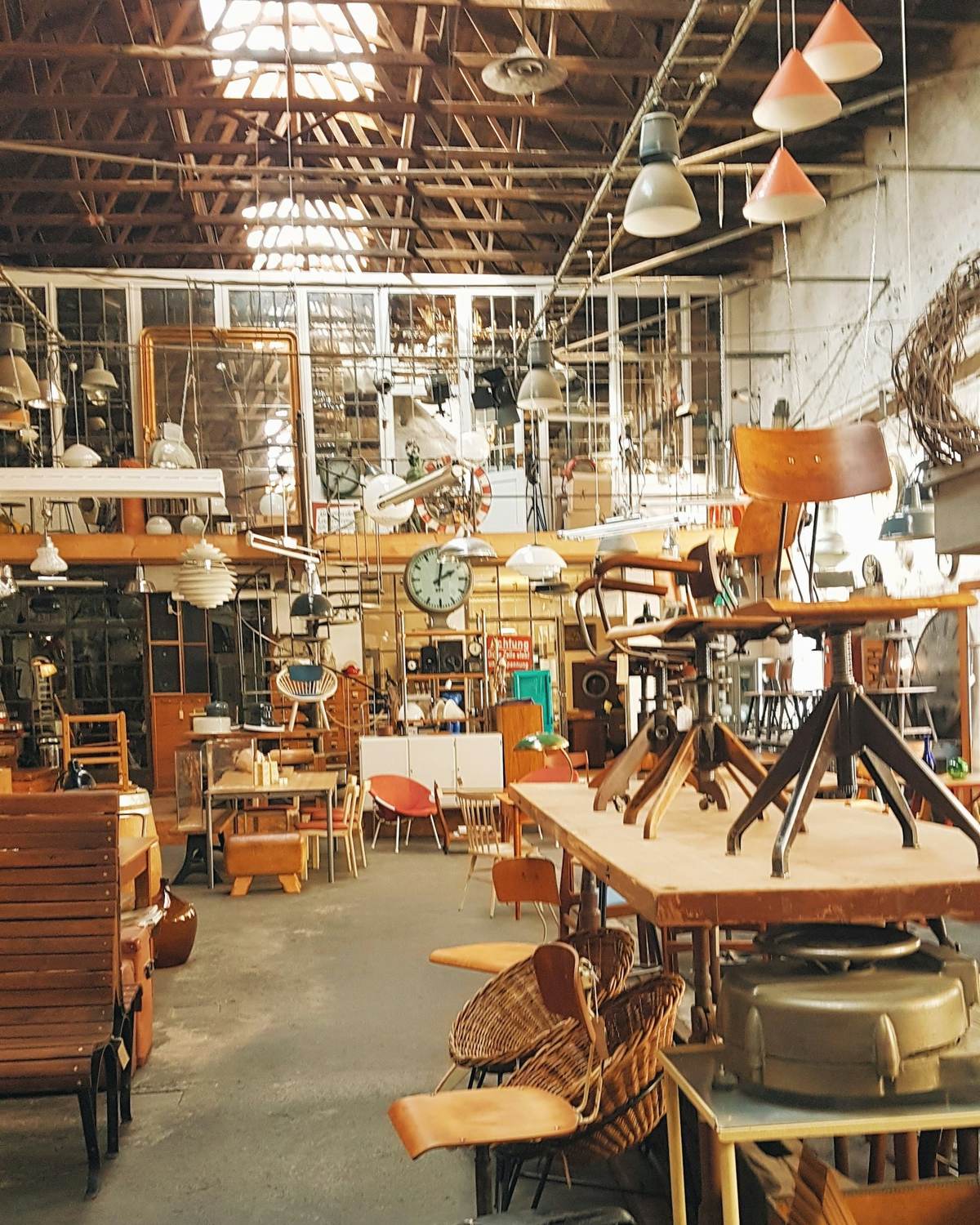
Furniture is where a decorating budget disappears. Secondhand dressers, side tables and bookcases can cost far less than new, and older solid-wood pieces are often sturdier than flat-pack furniture at the same price.
Check thrift stores, estate sales and local resale listings, and save searches for the exact item and size you need. Test that drawers slide and legs don’t wobble. The EPA advises checking secondhand furniture, beds and couches for signs of bed bugs before you bring them home.
Cost: $ to $$ · Renter-friendly: Yes
Skip it if: you can’t see it in person. Upholstered pieces are much harder to inspect than wood, metal or rattan.
5. Give a Secondhand Piece a Quick Refresh
A dated dresser or nightstand often needs only one small change to fit your room. New knobs, a good cleaning or a coat of paint changes the look far more than the cost suggests.
Swap the knobs first, and measure the distance between the existing screw holes so the new ones fit without drilling. For a bigger change, sand lightly and paint outdoors or in a well-ventilated room, following the drying times on the can. It’s your own furniture, so there’s no landlord question.
Cost: $ · Renter-friendly: Yes, since it’s your own furniture
DIY it: line the drawers with leftover wallpaper or sturdy wrapping paper for a cheerful surprise every time you open them.
6. Dress a Tired Sofa With New Covers and a Throw

Replacing a sofa is a big purchase. Changing what sits on it is not, and pillows and a throw set the room’s color palette.
Keep the inserts you have and buy new covers in two or three colors pulled from a rug or a print you like. Mix one solid, one texture such as knit or linen-look, and one small pattern. Drape a throw over an arm or the seat to hide wear.
Cost: $ to $$ · Renter-friendly: Yes
Pro tip: an insert slightly larger than its cover looks full. One that matches the cover size exactly tends to look flat within a week.
Warm It Up: Light and Textiles
7. Swap the Ceiling Light for Warm Lamps
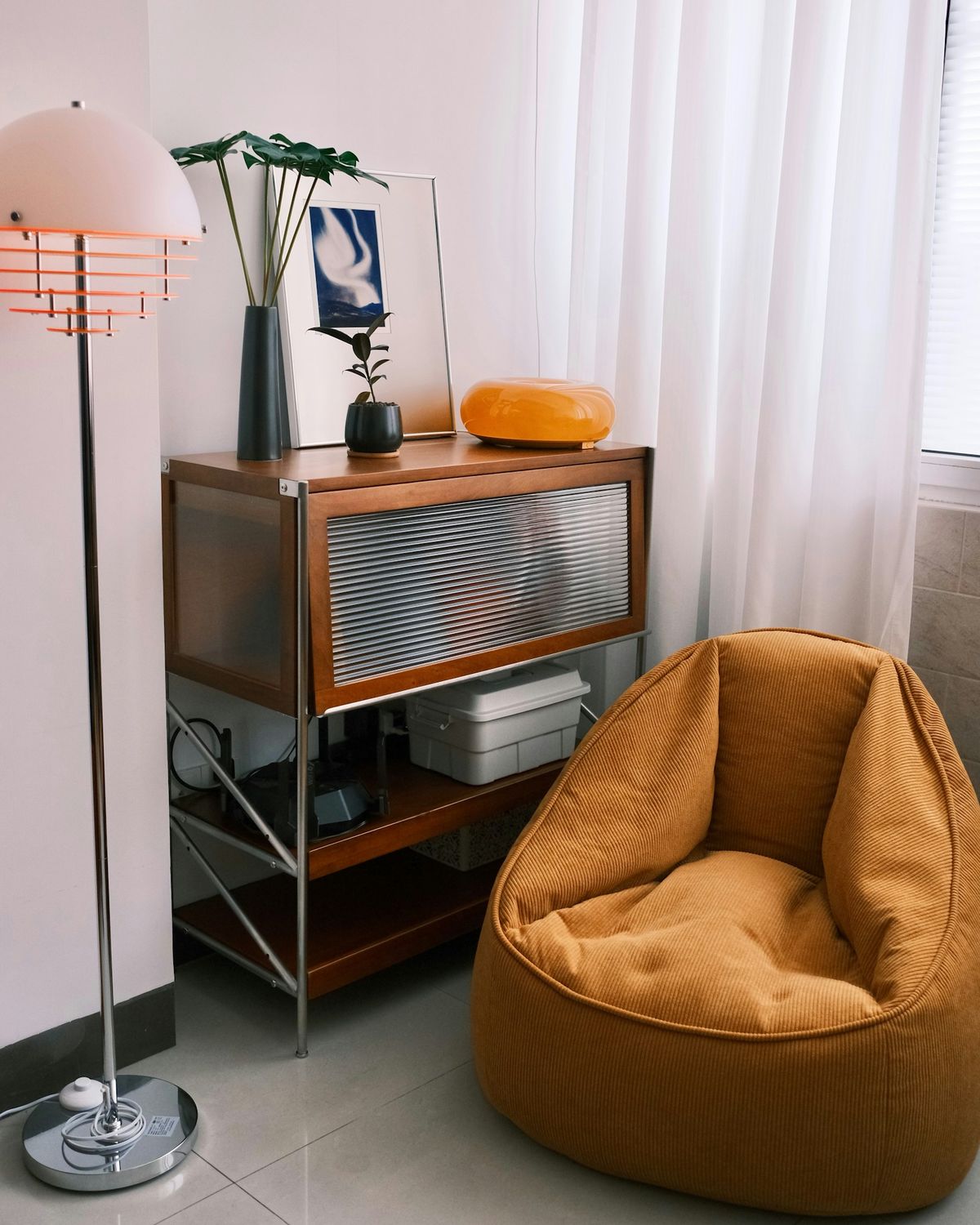
One bright overhead fixture makes every room look like a hallway. Lamps at different heights make pools of light and soft shadows, which is what feels warm at night.
Aim for two lamps per room: a floor lamp by the sofa and a table lamp across the room. Then check the bulbs. The U.S. Department of Energy notes that warm light sits around 2,700K, a tone that suits home finishes. Look for the number on the Lighting Facts label.
Cost: $ to $$ · Renter-friendly: Yes, plug-in only
Budget tip: thrifted lamps often need only a new shade and a warm bulb. Check the cord for cracks before you plug one in.
8. Hang Curtains High and Wide

Curtains hung right at the window frame make the window look small and the ceiling low. A higher, wider rod makes the room feel taller and lets in more daylight.
Pottery Barn’s drape guide suggests mounting the rod 4 to 6 inches above the frame and running it 3 to 6 inches past each side, with panels stopping about half an inch above the floor. Cheap ready-made panels hung this way look better than costly ones hung low.
Cost: $ to $$ · Renter-friendly: Ask your landlord, since brackets need screws. A tension rod inside the frame needs no drilling, but it can’t sit higher than the window.
Renter tip: if the window already has brackets, check whether your new rod fits them before adding holes.
9. Buy the Rug That Fits the Seating
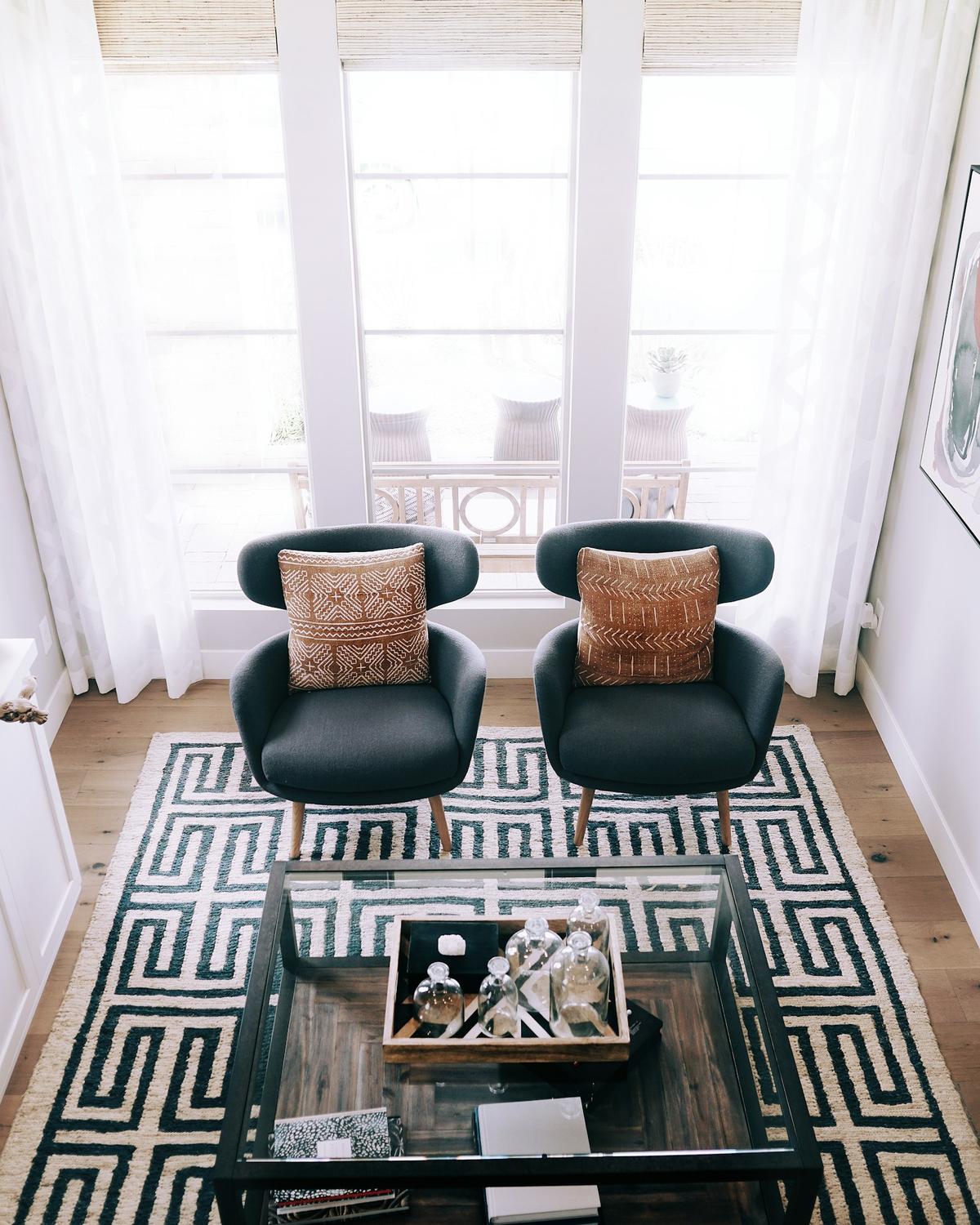
A small rug floating in the middle of the floor makes a room look chopped up. One that reaches under the furniture pulls the seating into one zone.
Designers quoted by Homes & Gardens say a living room rug should fit at least the sofa’s front legs. The same publication’s spacing guide suggests leaving about 12 to 18 inches of bare floor between rug and walls. Mark the size with painter’s tape before you buy.
Cost: $$ to $$$ · Renter-friendly: Yes
Best for: hard floors. A large rug also softens footsteps, which your downstairs neighbors will appreciate.
Walls Without Drilling
10. Lean One Big Mirror
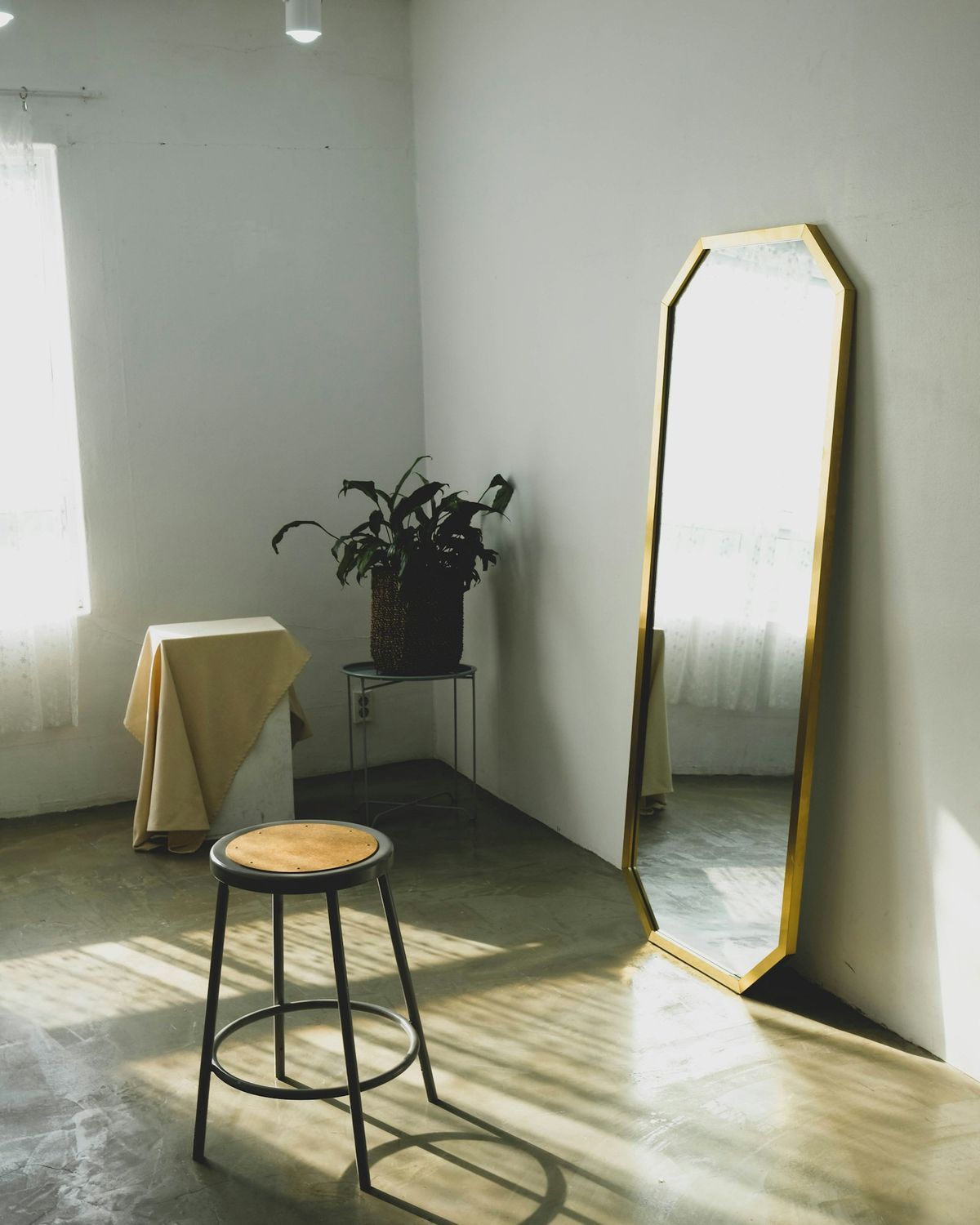
A large mirror bounces daylight across the room and makes a small space look deeper. One big mirror does more than a cluster of little ones, which mostly add clutter.
Lean a floor-length mirror beside or across from a window, where it catches the light. With kids or pets around, wedge it behind furniture so it can’t slide, or ask your landlord about a small anti-tip strap. Look secondhand first.
Cost: $$ · Renter-friendly: Yes, leaning needs no holes
Small-space trick: place it where it reflects something you like, such as the window or a plant, never the laundry basket.
11. Lean Art on a Ledge or Sofa Back

Bare walls make a new apartment feel temporary. Art that leans instead of hangs gives you the finished look without a single nail.
Prop two or three prints of different heights on a deep windowsill, a dresser or a low bookcase, overlapping them slightly. Cheap art is everywhere: postcards, a calendar page in a simple frame, a fabric remnant or a free download from a museum’s public-domain collection.
Cost: Free to $ · Renter-friendly: Yes
Good to know: removable adhesive picture strips hold light frames. Check the weight limit on the package and follow its wall-prep steps.
12. Try Peel-and-Stick Wallpaper on One Small Wall

Pattern on one small surface, like the end of a hallway, the back of a bookcase or a dining nook, gives a plain rental personality without covering every wall.
Start small so you need only a roll or two. Clean the wall, let it dry, then hang a test strip in a hidden spot for a few days to see how it releases. Smooth each panel from the center out, and line up the pattern before you press it flat.
Cost: $ to $$ · Renter-friendly: Yes, with a test patch first and a quick look at your lease
Skip it if: the walls are freshly painted, heavily textured or steamy. Adhesive grips poorly there and can lift fresh paint.
Small Spots That Make It Feel Like Home
13. Set Up an Entry Drop Zone

In many apartments the front door opens straight into the living room. A small landing spot for keys, bags and shoes keeps that clutter from spreading.
You need somewhere to set a bag down, somewhere to hang a coat and somewhere for keys. A narrow bench or stool, a freestanding coat rack or adhesive hooks, and a small tray cover all three. Add a washable mat for wet shoes.
Cost: $ to $$ · Renter-friendly: Yes, with a freestanding rack or removable adhesive hooks
Renter tip: check the weight limit printed on adhesive hooks before you hang a heavy bag or winter coat.
14. Bring In a Few Easy Plants

Plants add color, texture and life faster than almost any other decor for the price. Two or three healthy ones make a rental feel lived-in.
Choose plants that suit the light you have, and group them near a window. With cats or dogs at home, check first: the ASPCA lists golden pothos and snake plant as toxic to both, while spider plant and parlor palm are listed as non-toxic.
Cost: $ · Renter-friendly: Yes
DIY it: root cuttings from a friend’s plant in glass jars of water. A row of jars on a sunny sill is free decor while the roots grow.
15. Style One Kitchen Shelf

A rental kitchen is usually the room you can change least, so small, movable things do the work. One styled spot makes the whole kitchen look cared for.
Pick one open shelf or a corner of the counter. Decant oats, rice and pasta into matching clear jars, lean a cutting board at the back and add a few stems in a glass. Corral oils and spices on a tray so the counter wipes clean fast.
Cost: $ · Renter-friendly: Yes
Pro tip: swap the dish towels and soap bottle for ones in your color palette. It’s the cheapest kitchen update there is.
Apartment Decorating on a Budget: What to Buy First
When money is tight, the order you buy in matters as much as what you buy. Cheap, high-impact changes come first; a matching furniture set bought in week one is the classic mistake.
| Step | What | Cost tier | Why at this point |
|---|---|---|---|
| 1 | Edit, rearrange and shop your home (#1 to #3) | Free | Shows what’s actually missing |
| 2 | Warm bulbs, pillow covers, a throw (#6, #7) | $ | Biggest change in feel per dollar |
| 3 | Lamps and curtains (#7, #8) | $ to $$ | Fixes harsh light and bare windows |
| 4 | A rug that fits the seating (#9) | $$ to $$$ | Pulls the room into one zone |
| 5 | Furniture, secondhand first (#4, #5) | $ to $$$ | Buy last, once you know the layout |
Start Here: 3 Ideas for Any Budget
- Free: edit before you add (#2). Every later purchase looks better in a calmer room.
- Under $50: warm bulbs and new pillow covers (#6 and #7). They change the light and color of a room in one afternoon.
- Under $150: curtains hung high and wide (#8). Ready-made panels and a basic rod change the proportions of the whole room.
FAQ
How can I decorate my apartment on a budget?
Start with what’s free: edit, rearrange and move pieces you already own. Then spend on warm lamps, pillow covers and curtains, which change a room most for the money. Buy furniture last, and secondhand first.
How do I decorate a rental apartment without damaging the walls?
Use things that lean, stand or peel off: leaning mirrors and art, freestanding coat racks, plug-in lamps, tension rods and removable adhesive hooks. Test adhesives in a hidden spot, and ask your landlord before you drill or paint.
What should I buy first when decorating an apartment?
Light and textiles. Warm bulbs around 2,700K, a lamp or two and new pillow covers cost little and change a room the most. Leave the rug and bigger furniture until you’ve lived with the layout for a few weeks.
Is it safe to buy secondhand furniture for an apartment?
Usually, if you check it first. The EPA recommends inspecting secondhand furniture, beds and couches for signs of bed bugs before bringing them home.
How much does it cost to decorate an apartment?
It depends on what you already own. Many ideas here are Free or in the $ tier (under $25), so a first round of changes can stay small. Spread bigger buys like a rug or a sofa over several months.

