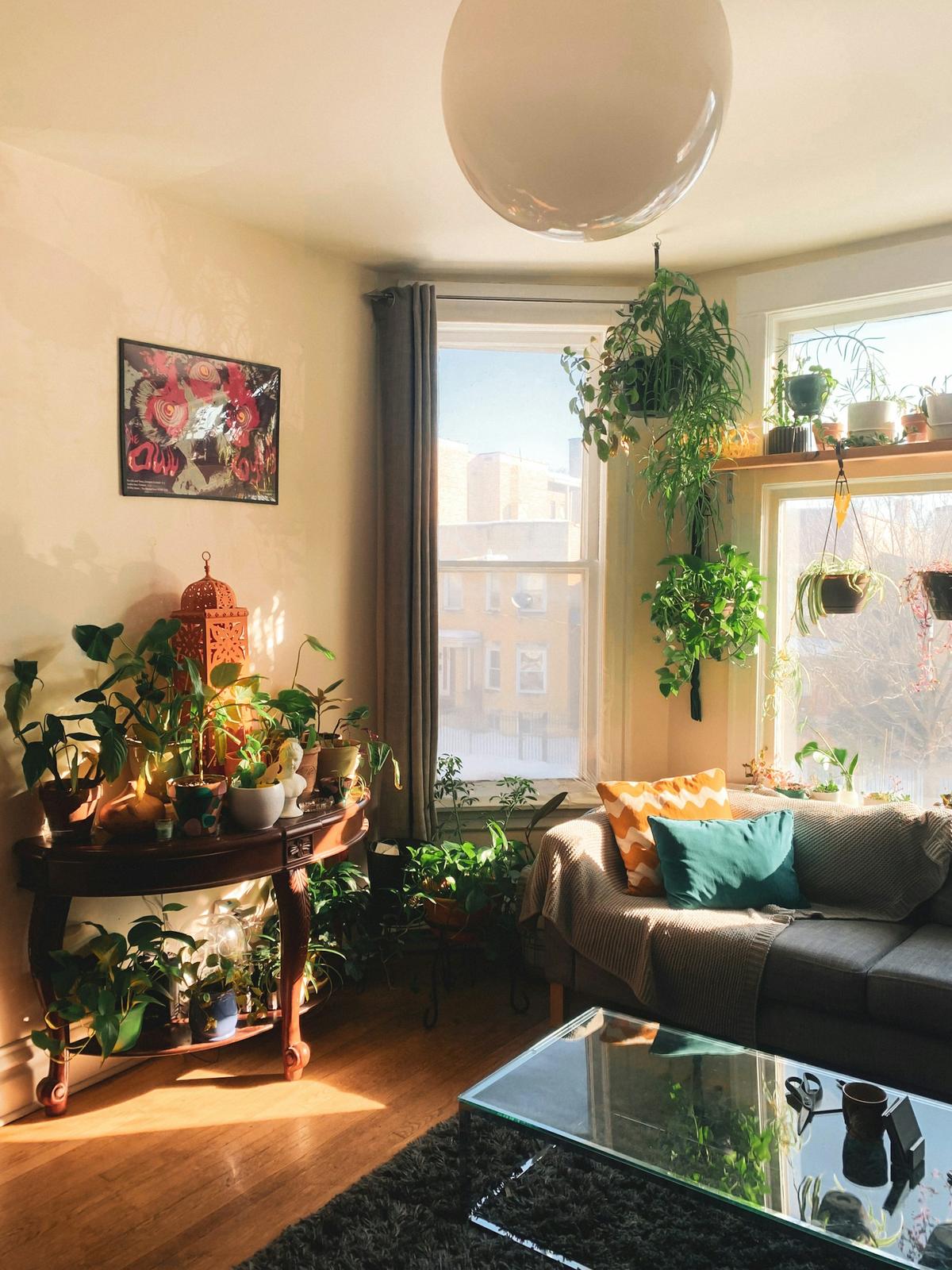
A small apartment with one or two windows and not much money to spend can still hold plenty of plants. It just needs the right plant in the right light, styled like the decor it is.
These indoor plant decor ideas for small apartments start with light, because a plant that can’t grow where you put it won’t look good for long. Each idea has a cost tier and a renter-friendly answer, and every plant we name comes with its pet-safety status from the ASPCA.
We grouped them into four goals, then added a “which plant for which light” table to check before you buy.
Quick take
- Biggest change for the least money: grow new plants from cuttings of one you already own (#15).
- Renter-safe almost across the board: only #10, #11 and #12 can need screws, and each has a no-drill option.
- Pets at home? Start with spider plant, parlor palm, prayer plant or ponytail palm, all non-toxic to cats and dogs per the ASPCA (#13).
- Two numbers worth knowing: right in front of a south window you get about 1,500 foot-candles of light, but in front of a north window only about 150.
Light First: Match Each Plant to a Window
1. Read Your Windows Before You Buy a Plant
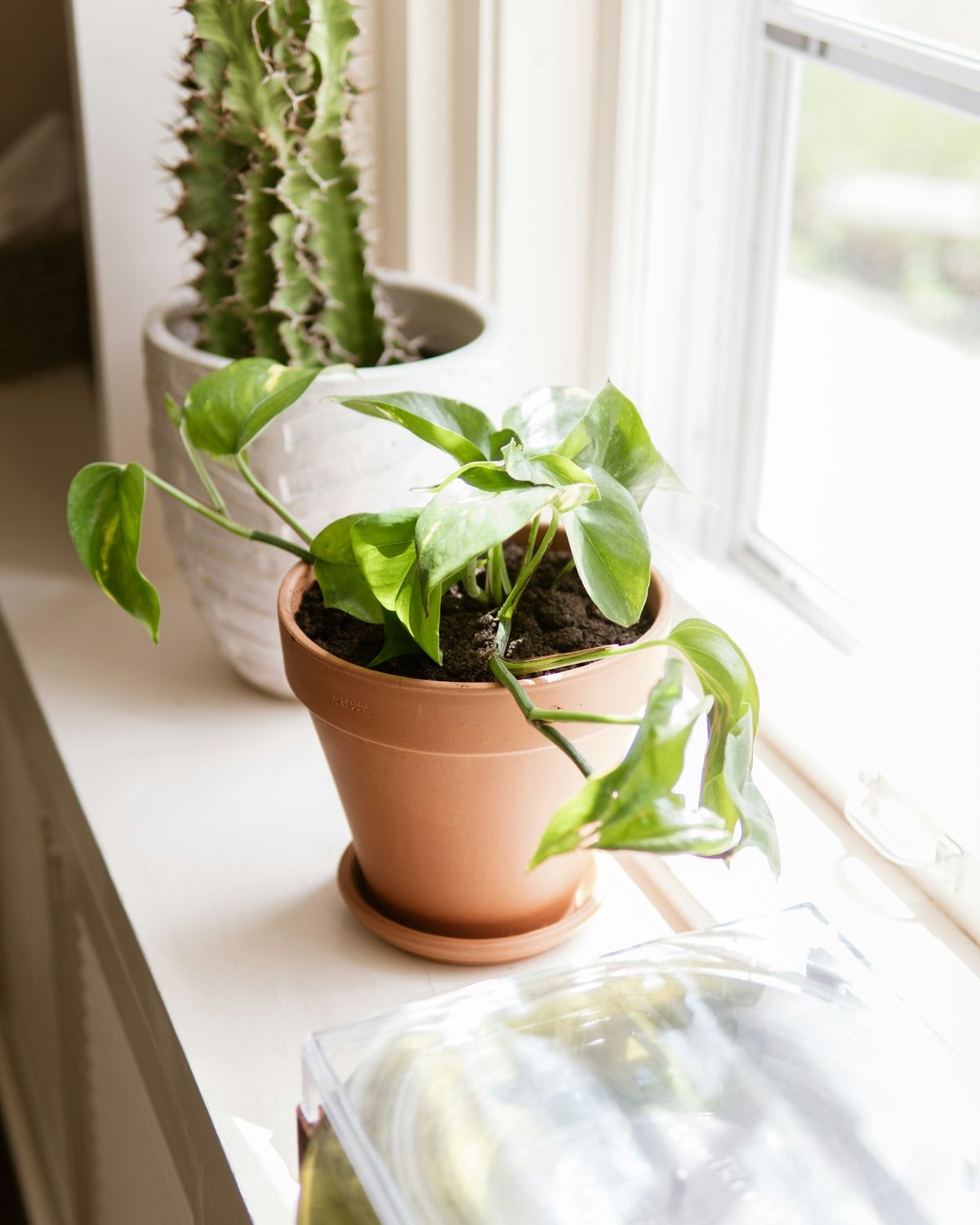
Light decides whether a plant grows or slowly fades. With only one or two windows, buying for the light you actually have saves money on plants that won’t last.
Note which way each window faces and how far the spot is from the glass. University of Illinois Extension counts the spot right in front of a south window as direct sun and anything up to 5 feet from it as bright light, while a spot a few feet from a north window is low light.
Cost: Free · Renter-friendly: Yes
Small-space trick: check the spot at midday and again in late afternoon. Sharp shadows both times means a sun-lover’s spot.
2. Line a Sunny Windowsill With Herbs
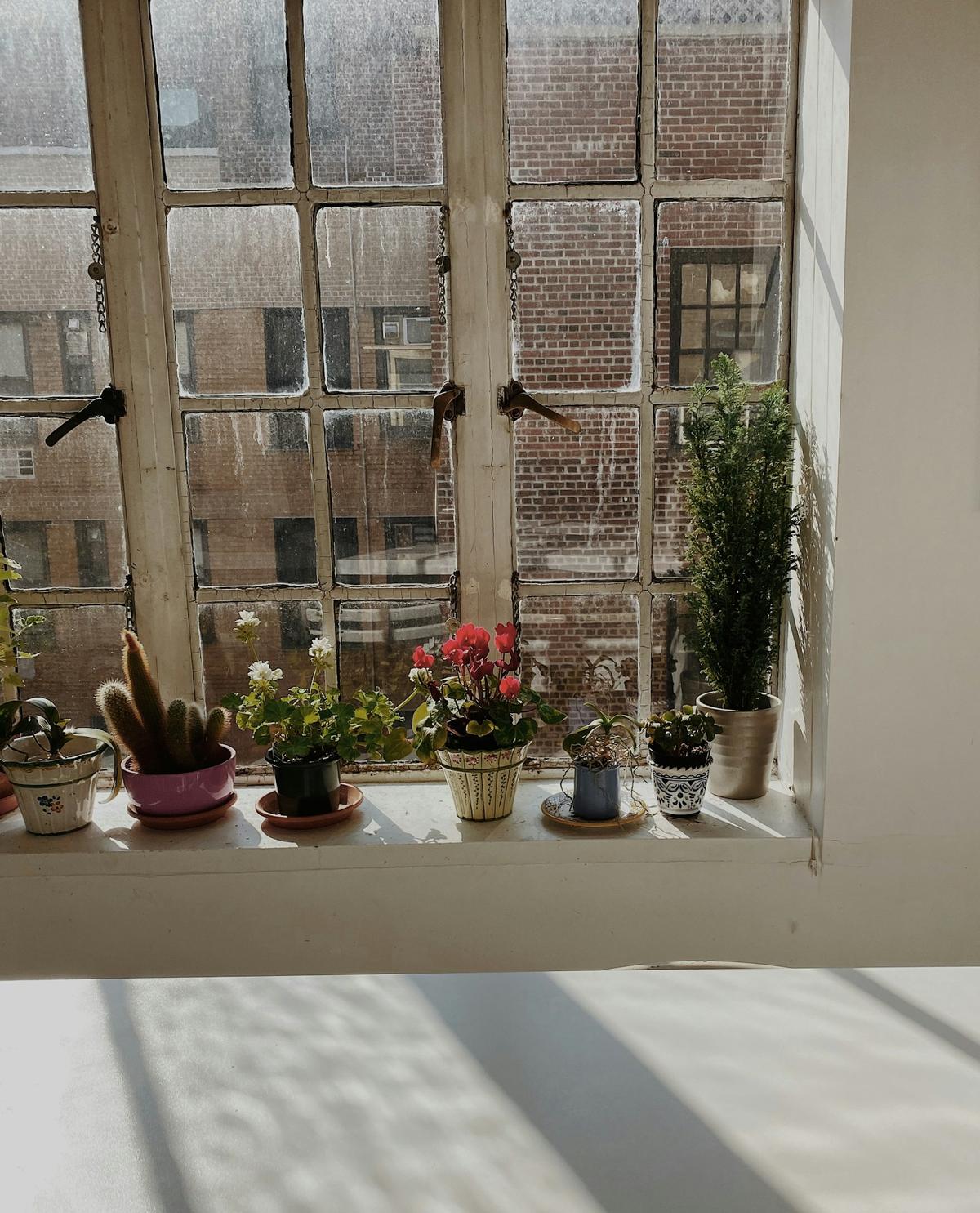
The windowsill is the brightest spot in most apartments, and a row of matching pots there reads as decor, not clutter.
Illinois Extension says most herbs need at least six hours of direct sun a day and a pot at least 6 inches across with a drainage hole, so a south window works best. The ASPCA lists basil and rosemary as non-toxic to cats and dogs, but mint and chives as toxic.
Cost: $ · Renter-friendly: Yes
Budget tip: start with two or three herbs you’ll actually use. Three matching terracotta pots look more styled than six mismatched ones.
3. Give a Bright Bathroom a Boston Fern

Shower steam makes the bathroom one of the most humid rooms in an apartment, and a fern softens all that hard tile.
Clemson Extension says the Boston fern needs high humidity to thrive, bright indirect or filtered light, and soil kept barely moist. Set it on the sill or a shelf near the window. The ASPCA lists Boston fern as non-toxic. For more small-bathroom styling, see our half bathroom decor ideas.
Cost: $ · Renter-friendly: Yes
Skip it if: your bathroom has no window. A real fern won’t last in the dark, and a faux one (#14) is the honest swap.
4. Move Plants Away From Vents and Cold Glass in Winter
Plants that looked fine all summer often struggle once the heat comes on. The fix is free: move them.
Illinois Extension says most foliage plants like daytime temperatures of 65 to 75 degrees, and warns against hot and cold blasts from radiators, heating vents and windows. Cold glass can damage leaves, too. Most homes drop below 30 percent humidity in winter, so group humidity lovers or set them on a tray of pebbles and water, with the pots above the water line.
Cost: Free · Renter-friendly: Yes
Good to know: misting isn’t much help. Illinois notes it raises humidity only for a short time.
Style Plants Like Decor
5. Group Plants in Odd Numbers

One small plant on a big surface looks lost. Three grouped together read as one arrangement, and odd numbers look more relaxed than a matched pair.
Pick three plants with different heights and leaf shapes: one tall, one bushy, one trailing. Set them in a loose triangle so the leaves overlap a little, and keep the pots in one color family or material. Grouping also raises the humidity around the plants.
Cost: Free to $ · Renter-friendly: Yes
Pro tip: group plants with the same light needs, or one of them will always be unhappy.
6. Raise Small Plants on Stands
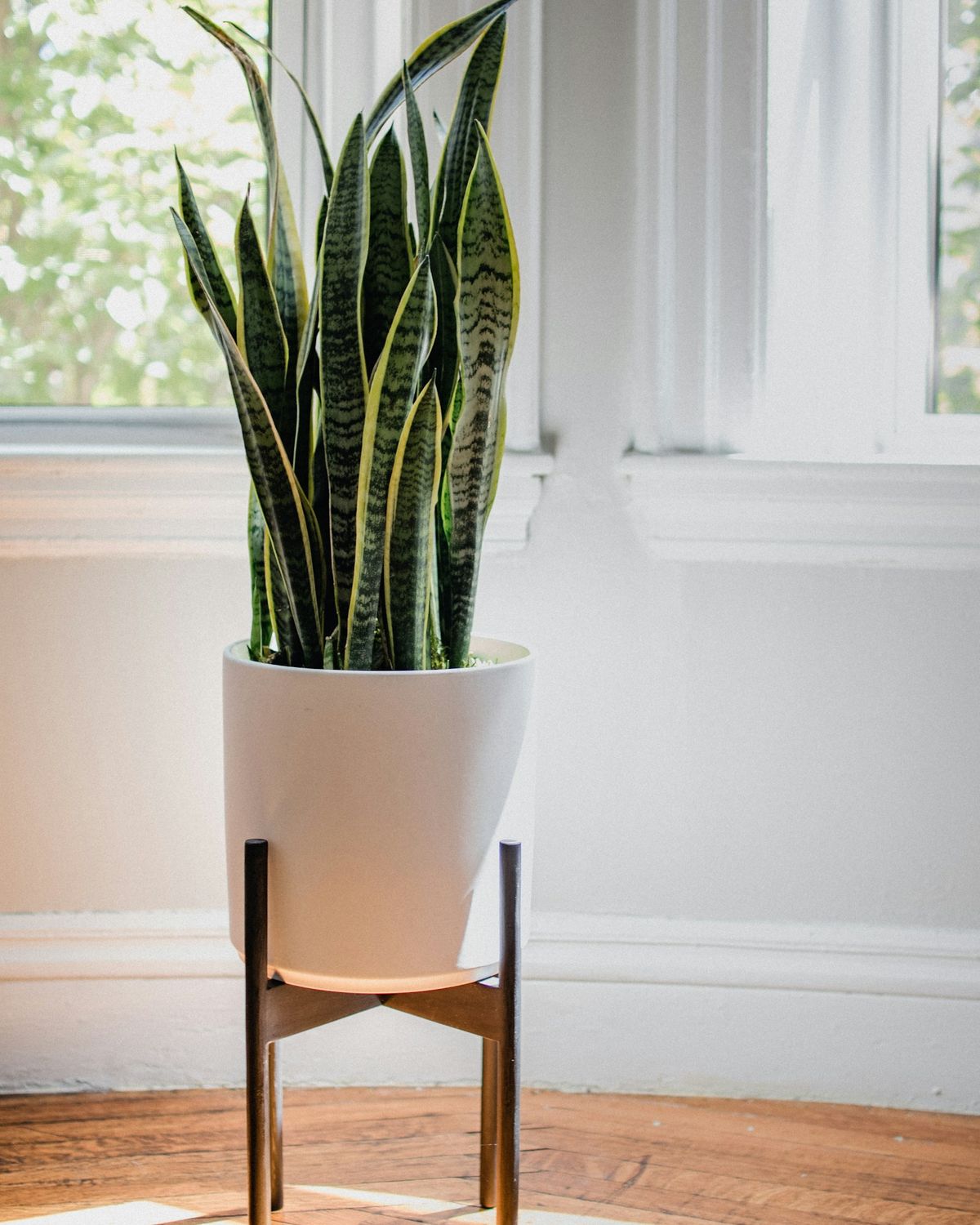
Small plants on the floor disappear. A stand lifts them toward eye level, and because you can see the floor under its legs, the room still feels open.
Use a plant stand with legs, a sturdy stool or a small side table, placed next to a lower plant for varied heights. Check that the stand is wider than the pot’s base, or that the pot sits deep in its ring, and that it doesn’t wobble on your floor.
Cost: $ to $$ · Renter-friendly: Yes
Budget tip: a secondhand stool or side table does the same job as a plant stand, often for less.
7. Choose One Statement Floor Plant
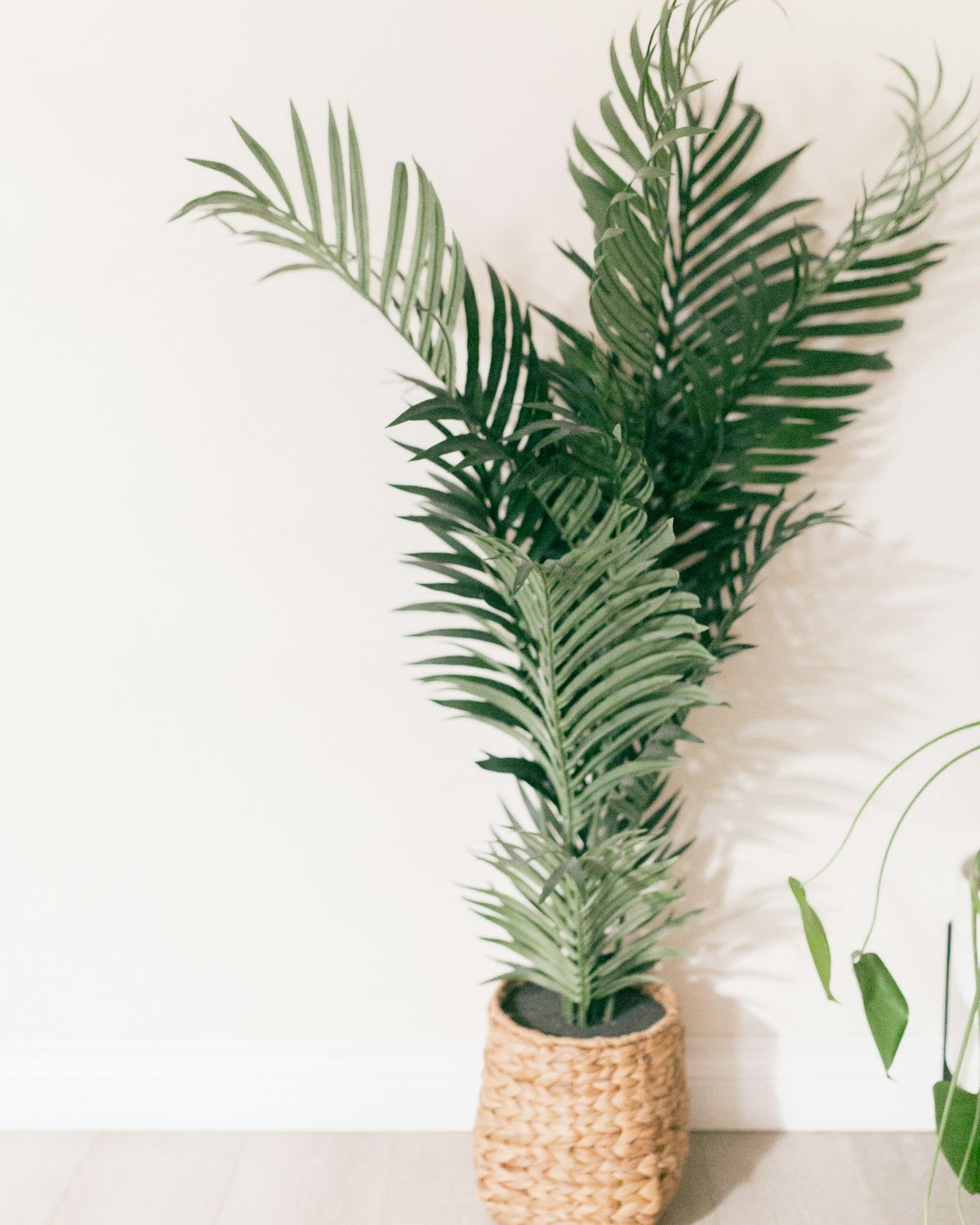
In a small room, one large plant does more than a dozen small ones. It fills an empty corner and gives the room a focal point.
Read the tag for light needs and use the window distances in #1. With pets, the ASPCA lists kentia palm and areca palm as non-toxic, while the Swiss cheese plant (monstera) and dracaena are listed as toxic. Illinois rates dracaena as a medium-light plant.
Cost: $$ to $$$ · Renter-friendly: Yes
Small-space trick: put it in the corner you see first when you walk in.
8. Slip Plastic Nursery Pots Into Baskets

The plastic pot a plant comes in isn’t pretty, but it has drainage holes. A basket hides it, adds warm texture and saves you from repotting.
Keep the plant in its nursery pot, put a saucer or plastic liner in the bottom of the basket, and drop the pot in. To water, lift it out, water it at the sink, let it drain, then set it back.
Cost: $ · Renter-friendly: Yes
DIY it: no liner? A reused plastic container in the bottom of the basket does the same job.
9. Protect Floors With the Right Pots and Saucers
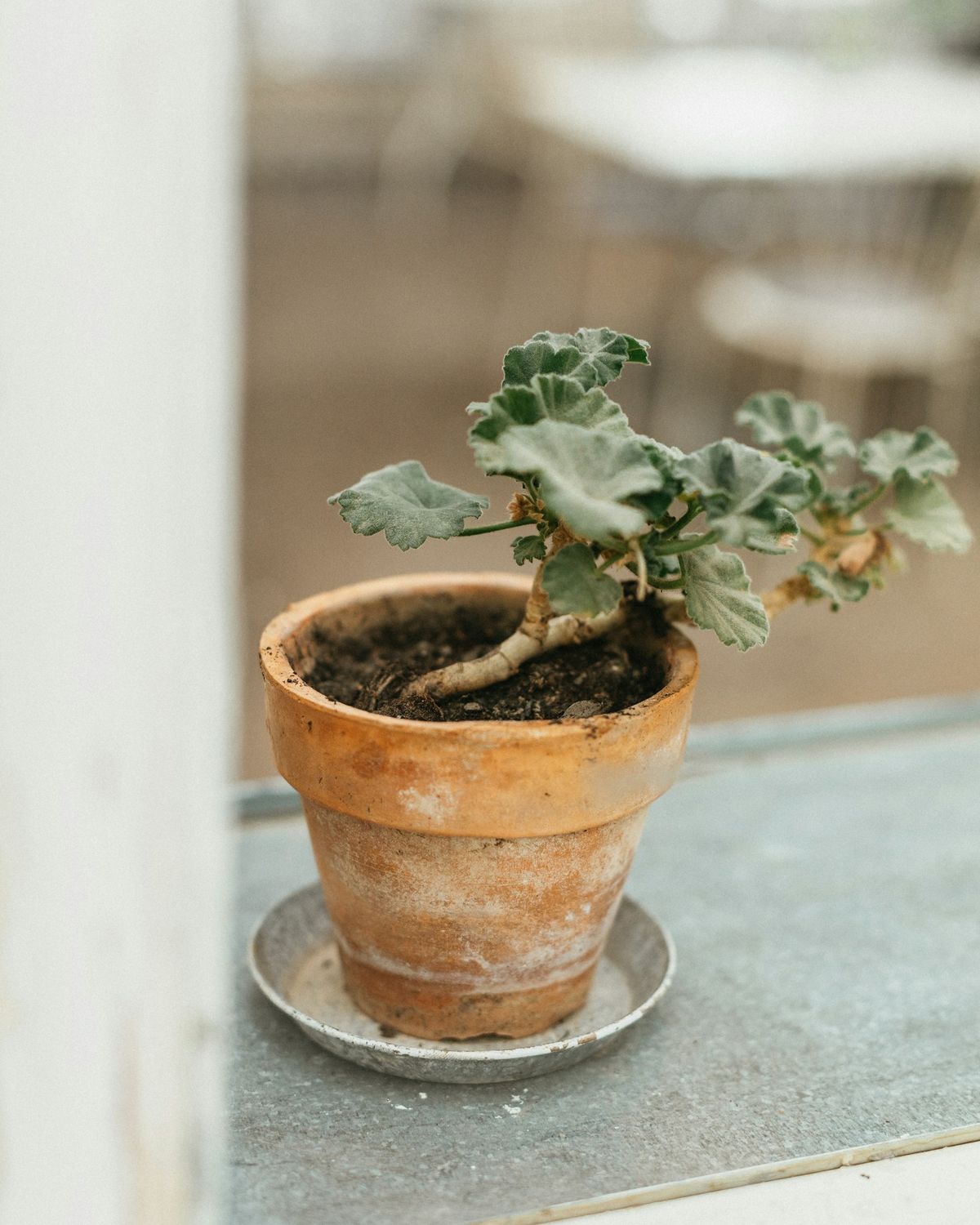
Water rings on a wood floor or windowsill can cost you part of a deposit. The right saucer, plus a little watering discipline, prevents them.
Illinois Extension says to water until the excess drains into the saucer, then empty the saucer and never let a pot sit in water. It also notes that unglazed clay is porous and dries out faster. On wood, use glazed or plastic saucers, or set clay ones on a cork mat.
Cost: $ · Renter-friendly: Yes
Good to know: Illinois suggests watering only when the soil is dry two inches down. Less overwatering means fewer overflowing saucers.
Go Vertical: Hanging Plants, Shelves and Ledges
10. Hang a Planter Without Drilling

A hanging plant uses air space no furniture can, and it keeps leaves off crowded surfaces.
A ceiling hook needs a hole, so ask your landlord first. No-drill options: a tension rod inside the window frame with S-hooks, a freestanding plant hanger, or the curtain rod for one small plant. Wet soil is heavy, so weigh the planter on a bathroom scale right after watering and compare it with the rod’s weight limit. Illinois Extension calls the spider plant ideal for hanging baskets, and the ASPCA lists spider plant as non-toxic.
Cost: $ · Renter-friendly: Yes, with a tension rod or freestanding hanger. A ceiling hook needs your landlord’s OK.
Renter tip: take the plant down to water it in the sink, so drips never reach the floor.
11. Let Trailing Plants Spill From a High Shelf
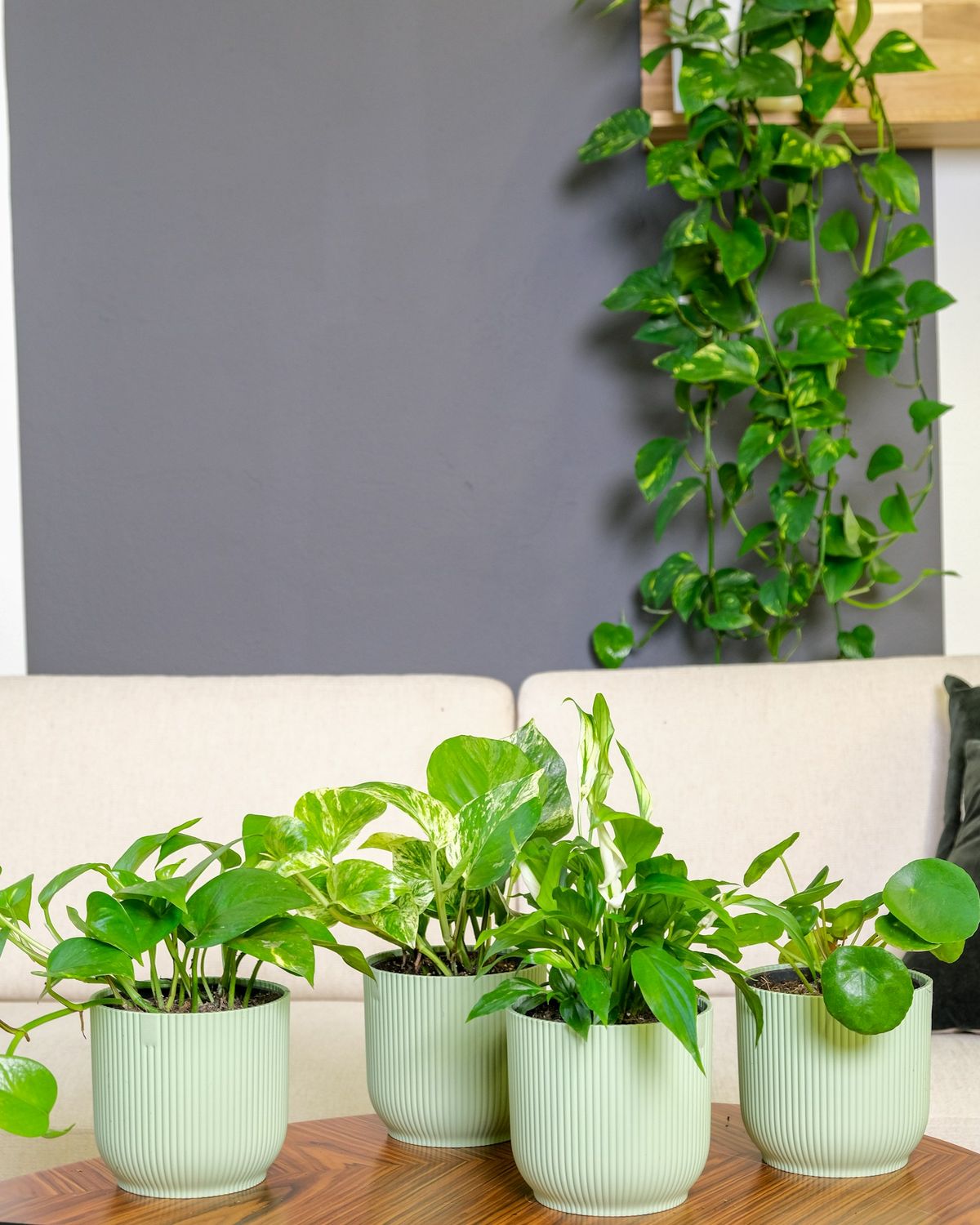
Trailing vines pull the eye up and soften the hard edges of shelves, while the pot takes up almost no space.
Set a trailing plant on top of a bookcase or a high shelf and let it hang. Golden pothos and heartleaf philodendron trail easily and Illinois rates them for medium and low light, but the ASPCA lists both as toxic to cats and dogs. A wax plant (hoya) is listed as non-toxic, though it needs bright light.
Cost: $ · Renter-friendly: Yes, on a freestanding bookcase. A wall shelf needs screws, so ask your landlord.
Skip it if: your cat climbs bookcases. Vines hang within reach, so pick a non-toxic trailer or skip vines.
12. Turn a Bookshelf or Ledge Into a Plant Shelf

Shelves you already own are free plant space. A few small plants between books and baskets make a bookcase look lived-in.
Put one small plant on every other shelf, staggered left and right, and repeat one pot color so it looks planned. Small, slow growers suit shelves: Illinois rates peperomia for medium light, and the ASPCA lists peperomia (baby rubber plant) as non-toxic. Use the shelves closest to a window, since a dark corner counts as low light.
Cost: Free to $ · Renter-friendly: Yes, on a freestanding bookcase. A wall-mounted picture ledge needs your landlord’s OK.
Best for: renters who already own a bookcase. Put a saucer under each pot (#9) to protect the wood.
Pet-Safe and Low-Effort Options
13. Pick Pet-Safe Plants If You Have Cats or Dogs

In a small apartment, pets can reach almost every plant. Choosing safe plants first is easier than guarding the wrong ones.
The ASPCA lists spider plant, parlor palm, prayer plant and ponytail palm as non-toxic to cats and dogs, and snake plant, peace lily and jade plant as toxic. Common names overlap, so check the scientific name on the tag. If a pet chews a toxic plant, call your vet or ASPCA Animal Poison Control at (888) 426-4435.
Cost: $ · Renter-friendly: Yes
Budget tip: spider plants grow baby plants on long stems, so one plant can fill a shelf for free (#15).
14. Use Faux Plants Where Real Ones Won’t Grow
A windowless bathroom, a dark hallway or the top of tall cabinets can’t support a real plant. A good faux plant there beats a real one slowly dying.
Choose faux plants with matte leaves in a few shades of green; they look more natural than shiny, uniform ones. Pot it in a real basket or clay pot, and wipe the leaves with a damp cloth now and then so dust doesn’t give it away.
Cost: $ to $$ · Renter-friendly: Yes
Good to know: one faux plant tucked into a group of real ones (#5) is hard to spot. A whole shelf of them is not.
15. Fill Shelves for Free With Cuttings
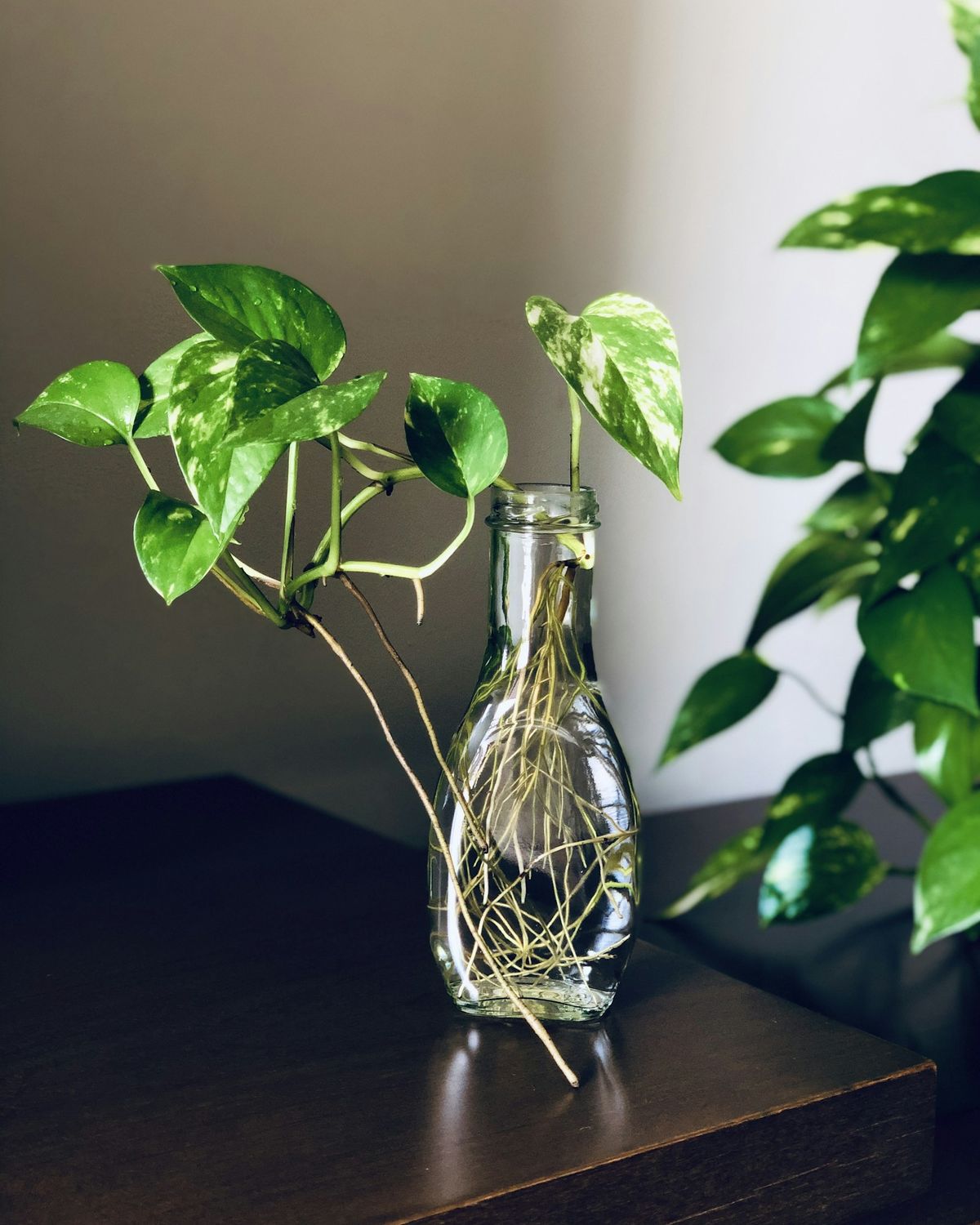
One healthy plant can become five, and cuttings rooting in clear jars are decor in their own right.
Illinois Extension suggests a 3- to 5-inch tip cutting, cut just below a leaf node, and notes that many plants root in water changed every 3 to 5 days. Wisconsin Extension says pothos vines root in water within 3 to 4 weeks. A rooted cutting in a pretty jar also makes one of the easiest homemade Christmas gift ideas.
Cost: Free · Renter-friendly: Yes
DIY it: line up three cuttings in matching clear jars on a bright sill. The roots are part of the look.
Indoor Plant Decor Ideas: Which Plant for Which Light
Light levels (in foot-candles) and window distances: University of Illinois Extension. Pet status: ASPCA.
| Light | Where you’ll find it | Non-toxic to cats and dogs | Toxic to cats and dogs |
|---|---|---|---|
| Low (about 75 foot-candles) | A few feet from a north window, 3–10 feet from an east or west window, 15–20 feet from a south window | Parlor palm | Snake plant, heartleaf philodendron, peace lily |
| Medium (about 150) | Right at a north window, a few feet from an east or west window, 3–10 feet from a south window | Spider plant, peperomia, prayer plant | Golden pothos, dracaena |
| High (about 300) | Right at an east or west window, up to 5 feet from a south window | Wax plant (hoya), ponytail palm | Jade plant |
| Direct sun (about 1,500) | Right in front of a south window | Basil, rosemary (most herbs need 6+ hours of direct sun) | Mint, chives |
Start Here: 3 Ideas for Any Budget
- Free: read your windows (#1). It costs nothing and makes every plant you buy afterward a safer bet.
- Under $50: three small plants grouped in matching baskets (#5 and #8), the quickest way to make plants look like decor.
- Under $150: one statement floor plant in a basket (#7). It changes a small room more than a shelf of tiny ones.
FAQ
How do I decorate a small apartment with plants?
Start with light: put each plant where it can grow, using the window distances above. Then style them like decor: group three plants, lift small ones on stands and hide plastic pots in baskets.
Which indoor plants are safe for cats and dogs?
The ASPCA lists spider plant, parlor palm, prayer plant, ponytail palm, Boston fern, peperomia, wax plant, kentia palm and areca palm as non-toxic to cats and dogs. Pothos, snake plant, peace lily, jade plant, dracaena and monstera are listed as toxic.
Can I hang plants in a rental without drilling?
Yes. Use a tension rod inside the window frame, a freestanding plant hanger or the curtain rod for one small plant, and keep the watered planter under the rod’s weight limit. Ask your landlord before adding a ceiling hook.
How much light do indoor plants need?
It depends on the plant. Low-light plants get by on about 75 foot-candles, found a few feet from a north window, while most herbs need six or more hours of direct sun a day. Check the tag, then match it to a window.
How can I decorate with plants on a budget?
Buy one or two easy plants for the light you have, then multiply them with free cuttings. Use thrifted baskets and stools as pot covers and stands, and spend more only on one statement floor plant.


