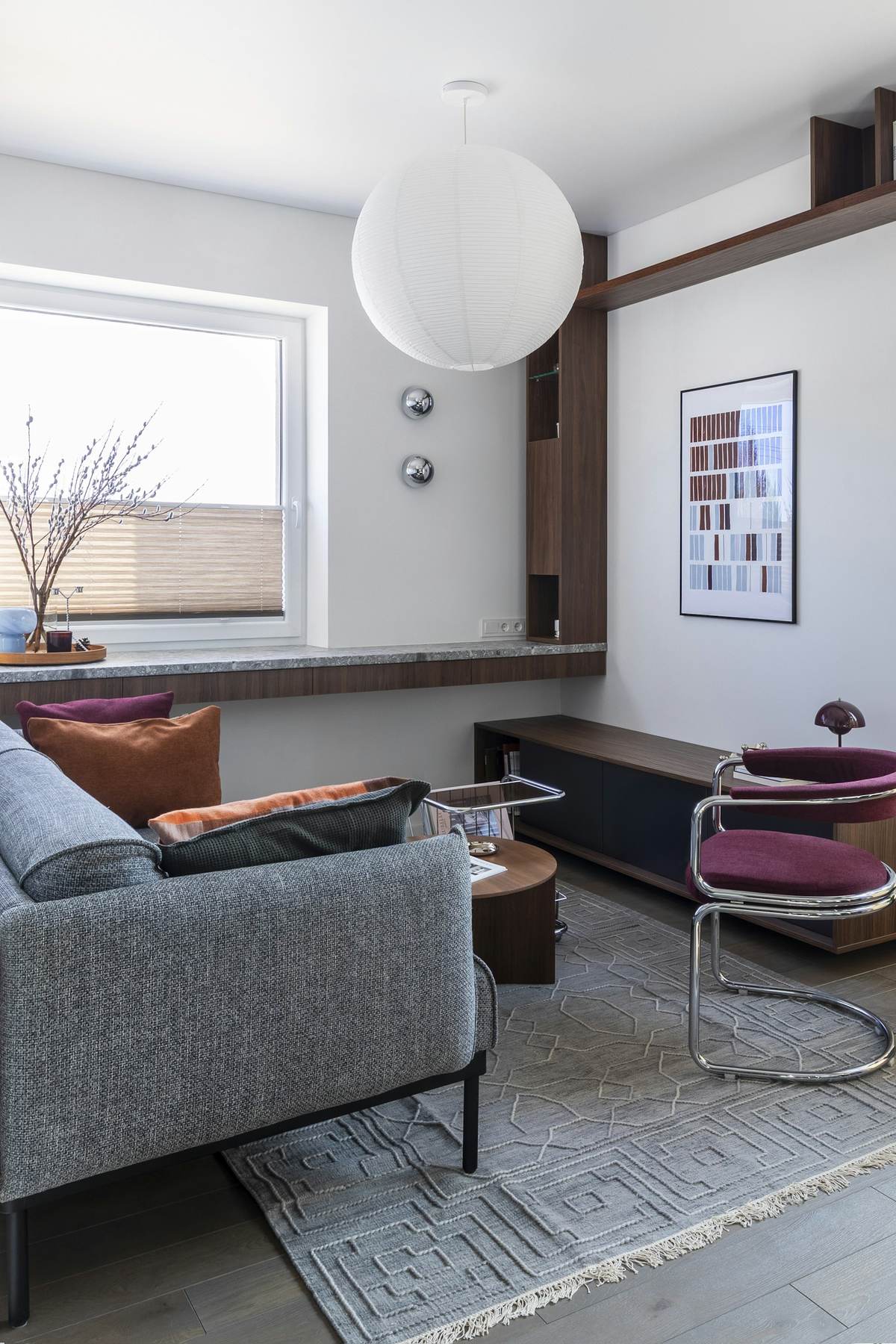
A small living room has to be the place you relax, eat in front of the TV and have friends over, usually with one sofa and not much money. The good news: the changes that matter most cost little or nothing.
This guide to living room decor on a budget starts with the free part, the layout, then moves to textiles, cheap furniture swaps and light. Every idea comes with a cost tier and a renter-friendly answer, and only three need your landlord’s OK.
We grouped them into five goals, then added a measurements cheat sheet for rugs, coffee tables and walkways.
Quick take
- Biggest change for the least money: rearrange first (#1 to #3). It’s free, and every purchase after it looks better.
- Renter-safe picks that need no landlord OK: #1 to #6, #8 and #11 to #15.
- Three numbers worth knowing: 12 to 18 inches from sofa to coffee table, about 30 inches to 3 feet for walkways, and seats no more than 8 feet apart.
Start With the Layout (It’s Free)
1. Pull the Sofa Off the Wall
Pushing every piece against the walls leaves an empty middle and makes it feel like a waiting area. Pulling the seating in creates a cozier group and, surprisingly, a roomier look.
Wayfair’s layout guide notes that keeping furniture a few inches off the wall can make a small space appear bigger. If the room allows, float the sofa, the coffee table and a chair together in the center and tie them with a rug. Slide furniture on towels or felt pads to protect the floor.
Cost: Free · Renter-friendly: Yes
Small-space trick: a floated sofa needs a finished back. Set a narrow console or a low bookcase behind it and the back becomes a surface for a lamp.
2. Keep the Walkways Clear

A room you have to squeeze through never feels relaxing, no matter how nice the decor. Clear paths are what make a small living room feel calm.
The Wayfair guide suggests leaving at least three feet around furniture in high-traffic areas and avoiding walkways that cross in front of the TV. Ashley Furniture’s layout guide works with about 30 inches of space around a piece. Walk from the door to the sofa and move anything you bump.
Cost: Free · Renter-friendly: Yes
Good to know: extra furniture is the usual culprit. Moving one side chair or a bulky side table out often frees the whole path.
3. Pull the Seats Close Enough to Talk
Chairs scattered around the edges make conversation feel like shouting across a lobby. A tight seating group feels welcoming even when the room is tiny.
Ashley’s guide says to keep seats no more than 8 feet apart. Angle an armchair toward the sofa instead of lining it up beside it, and give every seat a surface within reach, like a side table, a stool or the coffee table. An L shape or a U shape around the coffee table usually fits a small room.
Cost: Free · Renter-friendly: Yes
Renter tip: photograph the floor under heavy pieces before you move them. It makes the move-out walkthrough easier.
4. Size the Rug to the Seating Area

A small rug lost in the middle of the floor makes the furniture look scattered. One sized to the seating pulls the group together.
Wayfair’s rug guide says a 5′ x 7′ or 6′ x 9′ rug fits most small living rooms with the front legs of the furniture on it. If the sofa sits on the rug, the rug should extend at least 6 inches past each side of it. Outline the size with painter’s tape before you buy.
Cost: $$ to $$$ · Renter-friendly: Yes
Budget tip: buy the right size in a simpler rug rather than the wrong size in a fancier one. Size does more for the room than pattern.
Refresh What You Already Own
5. Slipcover a Tired Sofa

A worn or dated sofa drags down the whole room, but replacing it is the most expensive move in the living room. A slipcover changes the color and hides stains for much less than a new sofa.
Measure arm to arm, the seat depth and the back height before you shop, and note whether your cushions are separate. Stretch covers fit more shapes; fitted covers made for a specific sofa style look neater. Washable fabric in a warm neutral is the safest pick for daily life.
Cost: $ to $$ · Renter-friendly: Yes
Pro tip: tuck the extra fabric deep into the seat crevices with a wooden spoon handle or rolled-up towels so the cover stays put.
6. Change Pillow Covers, Not Pillows
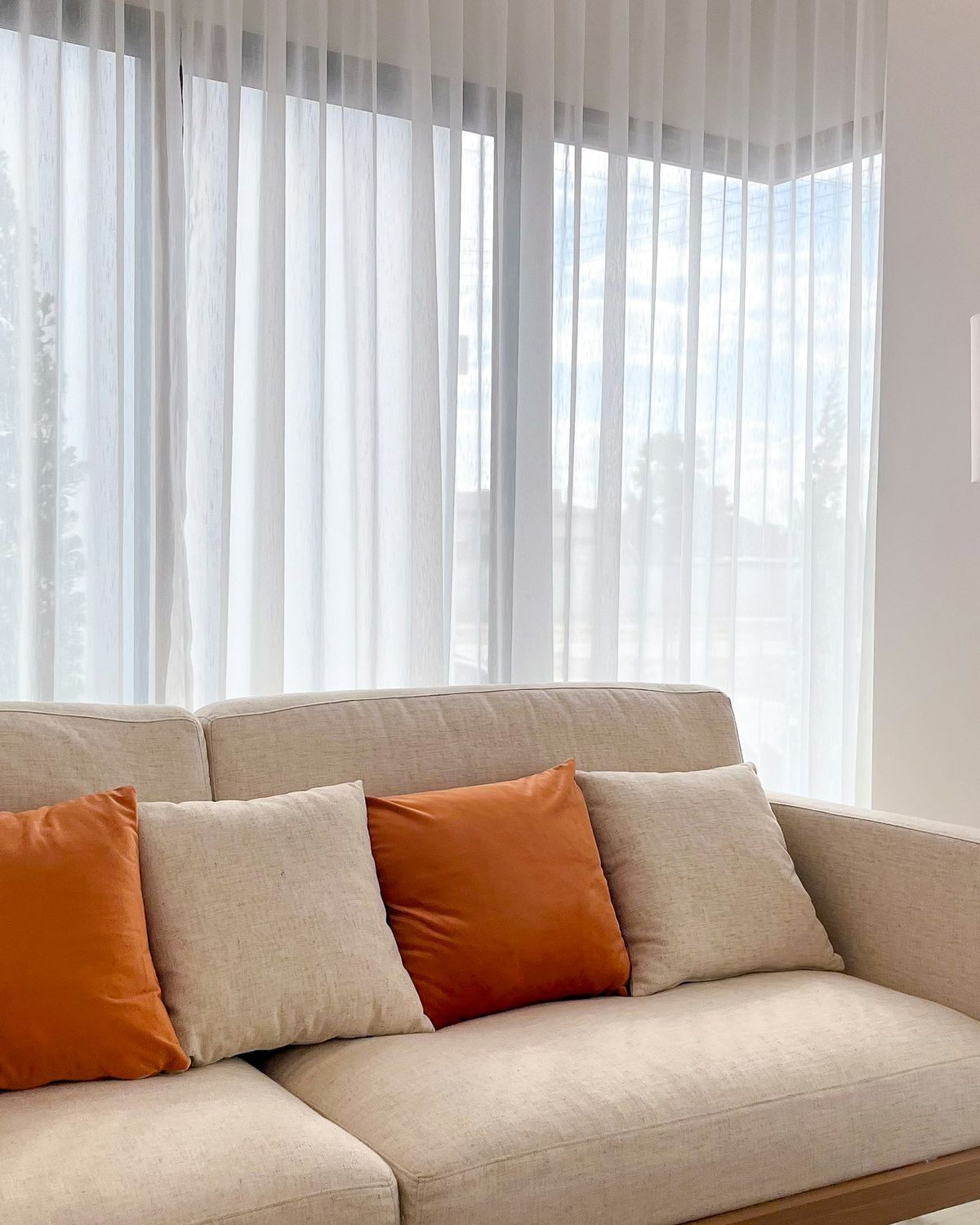
Pillows sit at eye level in the middle of the room, so new covers change the sofa in minutes. Covers also store flat, which matters when you don’t have a closet to spare.
For a small sofa, four pillows are plenty: two in an accent color and two in a neutral, or one pattern and three solids. Keep your inserts and buy only the covers. A throw folded over one arm adds texture without taking a single inch of floor.
Cost: $ · Renter-friendly: Yes
Best for: anyone who likes a seasonal change. Swap the covers in spring and fall.
7. Hang Curtains High, Wide and Full

Curtains hung right at the window frame make both the window and the ceiling look lower. Mounted higher and wider, the same panels make the room look taller and let in more daylight.
Wayfair’s curtain guide mounts the rod 4 to 6 inches above the frame, or 6 to 12 inches above it for a taller look. It suggests curtains 1.5 to 3 times the window’s width, on a rod 6 to 12 inches past the window on both sides so they open fully.
Cost: $ to $$ · Renter-friendly: Ask your landlord, since rod brackets need screws. A tension rod needs no holes but sits inside the frame.
DIY it: panels too short for a higher rod? Iron on a band of contrasting fabric at the hem.
Cheap Swaps for the Big Pieces
8. Use an Ottoman, Trunk or Stools as the Coffee Table

A coffee table doesn’t have to be a coffee table. An upholstered ottoman doubles as a footrest and extra seat, a trunk hides blankets, and two stools can be pulled apart when guests come over.
The Wayfair coffee table guide leaves 12 to 18 inches between the sofa and the table, and suggests a table about two-thirds the length of the sofa. It also puts a typical coffee table at 16 to 18 inches tall, level with the seat cushions or 1 to 2 inches lower.
Cost: $ to $$ · Renter-friendly: Yes
Skip it if: small kids are learning to walk. Hard trunk corners sit close to a toddler’s head height, so pick a padded ottoman instead.
9. Style the TV Wall (and Anchor the TV)
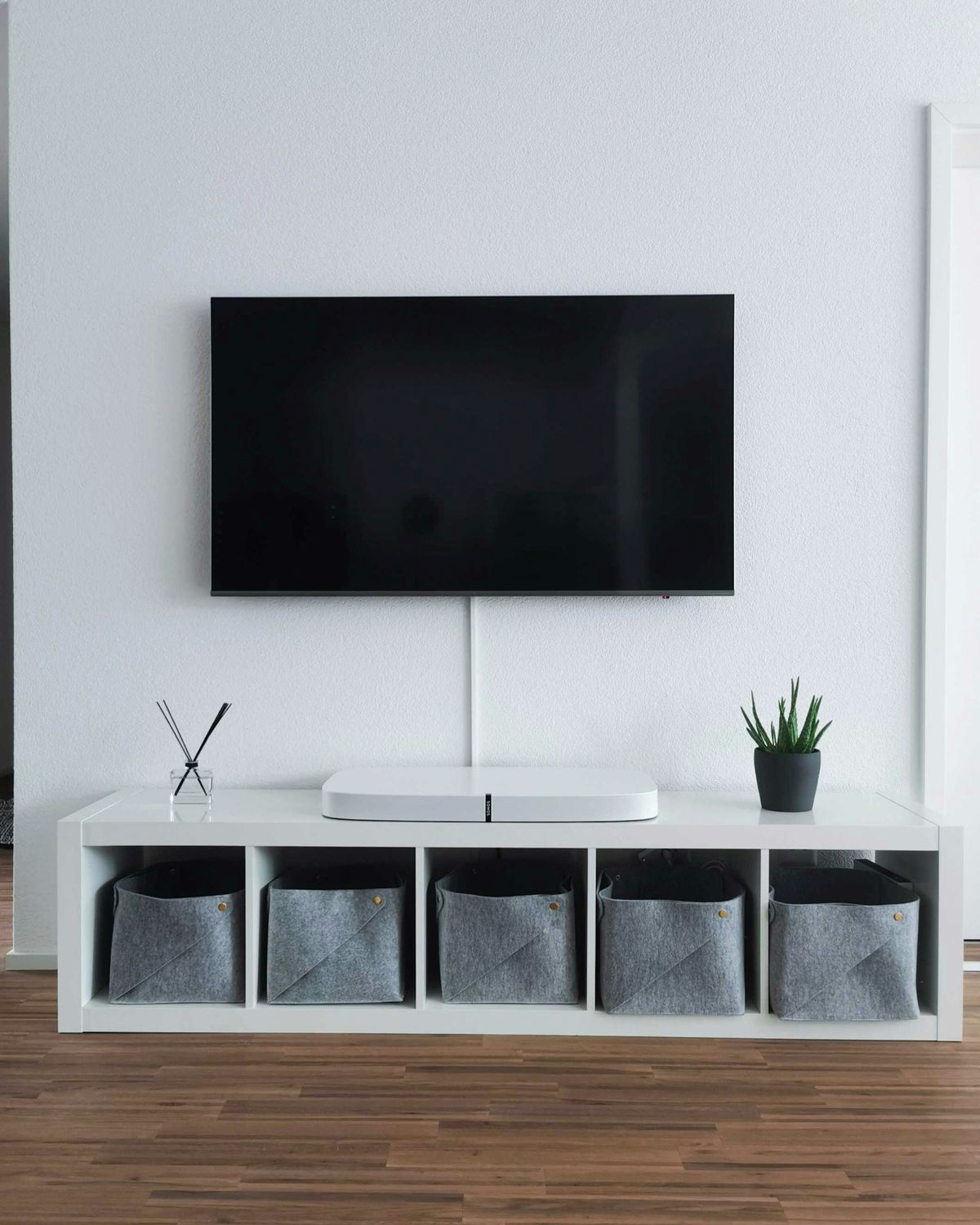
In many small living rooms the TV is the biggest dark rectangle in sight. Styling around it makes it part of the room, not the whole point.
Center the TV over a low console, then put a plant or a lamp on one side and a stack of books or a framed print on the other. Baskets hide remotes, and a paintable cord cover hides the wire. The CPSC’s Anchor It! campaign urges anchoring TVs and furniture to prevent tip-overs; the kits need a drill and a stud finder.
Cost: $ to $$ · Renter-friendly: Ask your landlord before mounting or anchoring
Budget tip: a dark-framed print or a black frame next to the TV makes the screen blend in when it’s switched off.
10. Add Shelves That Go Up, Not Out
Floor space is the scarcest thing in a small living room. Tall, narrow shelving stores books and decor in a footprint smaller than an armchair’s.
Choose a tall bookcase or a ladder shelf over two short ones, and anchor it as you would a TV. Style it in layers: books standing and stacked, a few baskets for clutter, one or two plants, and some empty space on every shelf so it doesn’t look crowded.
Cost: $$ · Renter-friendly: Ask your landlord about anchors or floating shelves
Small-space trick: paint the back of a cheap bookcase in your accent color. It looks custom and needs only a sample pot of paint.
11. Choose One Statement Piece
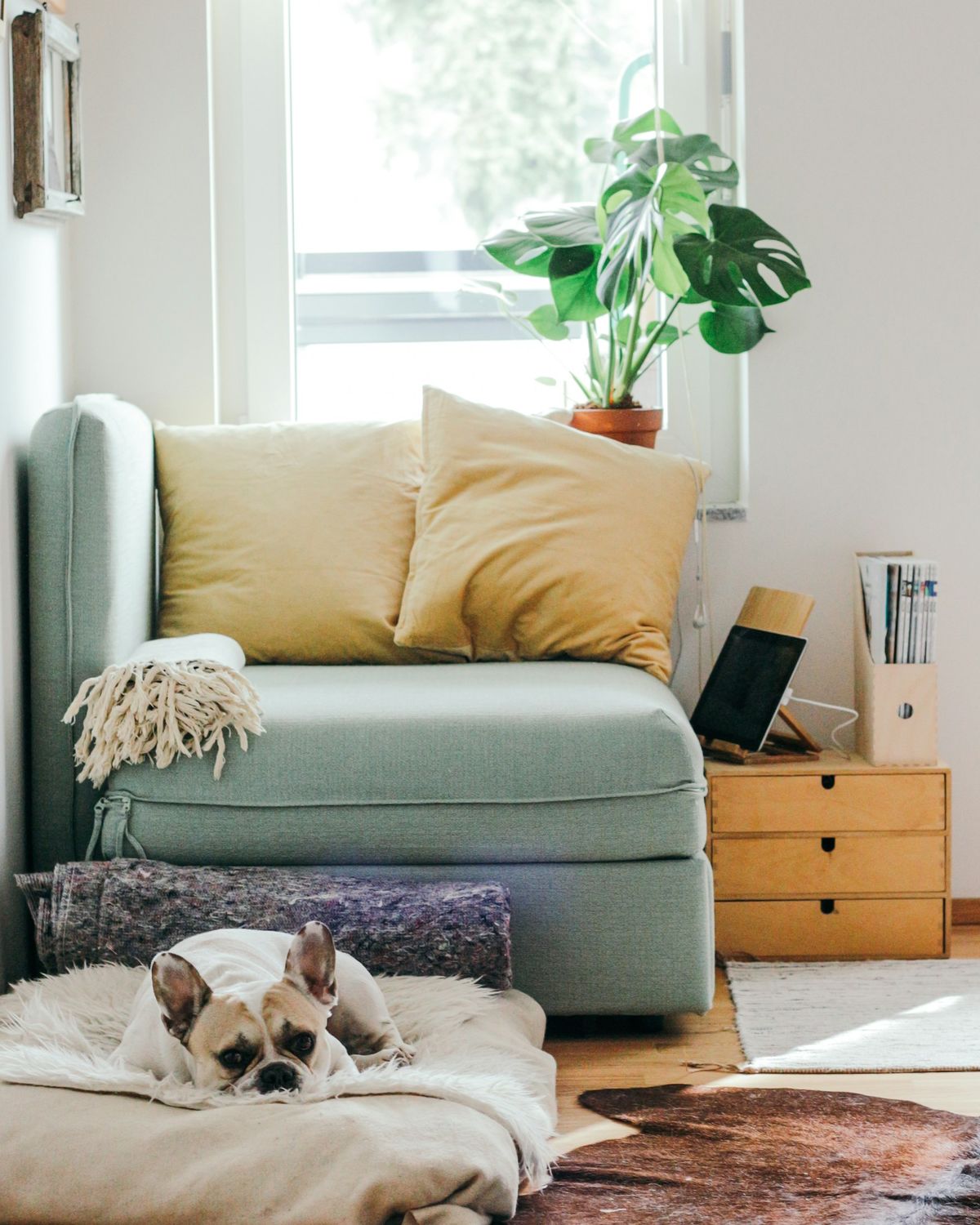
A small room with five bold things looks busy; a small room with one looks designed. A statement piece gives the eye a single place to land.
Make it a colorful armchair, a large plant, a big piece of art or a vintage find, and keep everything around it quieter. If you choose a plant and have pets, check it on the ASPCA’s toxic and non-toxic plant list first. Our indoor plant decor ideas cover easy picks.
Cost: $$ to $$$ · Renter-friendly: Yes
Good to know: spend your biggest budget line here. One good piece outlasts several cheap trend buys.
Light It in Layers
12. Layer Three Kinds of Light

A single ceiling fixture lights a living room like an office. Three or more light sources at different heights give it a soft evening glow.
Use the overhead light for cleaning, a floor or table lamp by the sofa for reading, and a small accent light on a shelf or console. Then match the bulbs: the U.S. Department of Energy lists 2,700K as warm light for homes and advises buying bulbs with similar color temperatures when you replace them.
Cost: $ to $$ · Renter-friendly: Yes, plug-in only
Renter tip: put lamps on outlet timers or smart plugs so they switch on at dusk, and you never need the ceiling light at night.
13. Add a Mirror to Bounce the Light
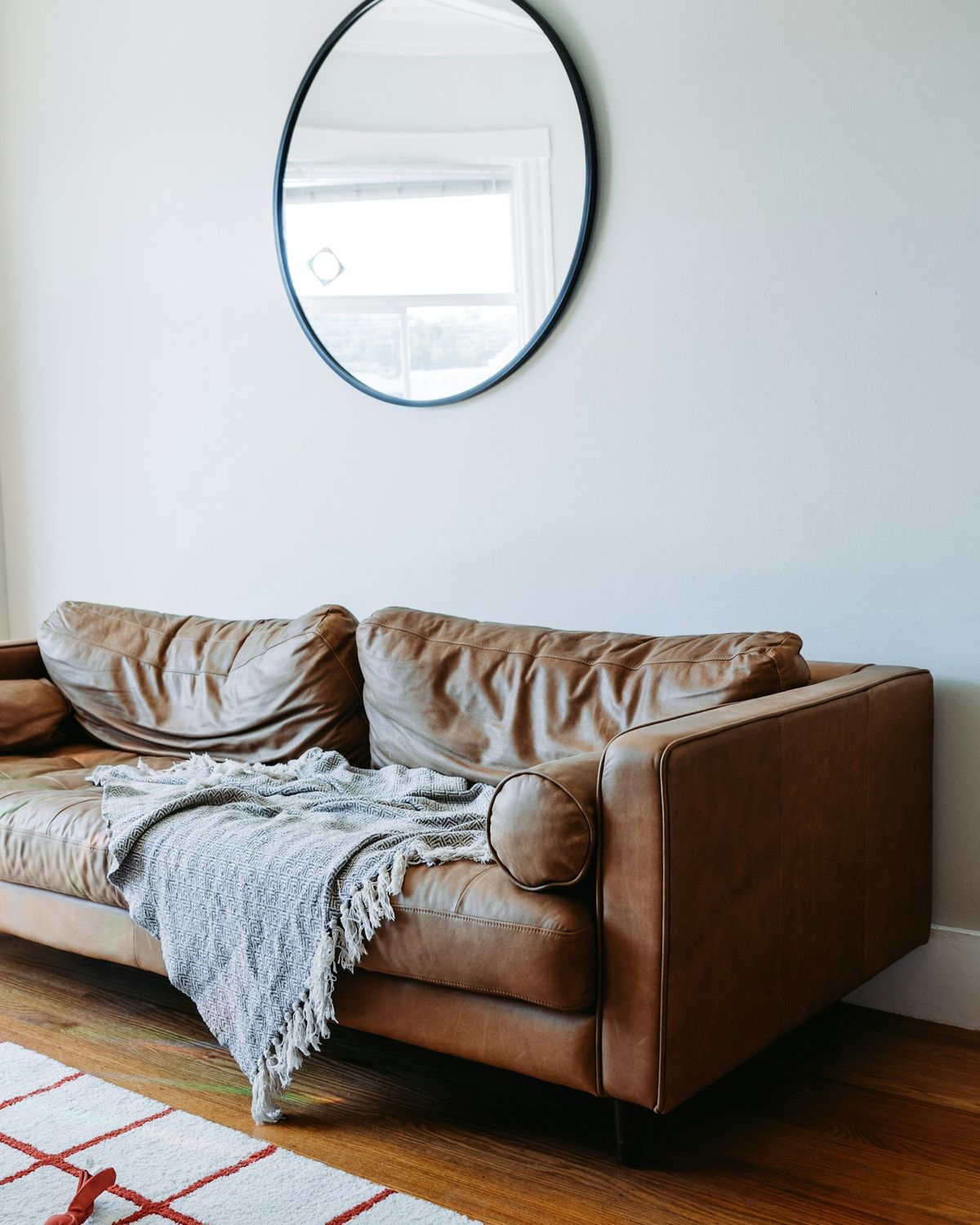
A big mirror bounces daylight around and gives a small room a sense of depth. One large mirror does more than a cluster of small ones.
Place it where it reflects a window or a lamp, not a blank wall or the TV. A floor mirror can lean with no holes at all. With kids or pets around, strap the top to the wall or wedge the base behind a sofa or console so it can’t slip.
Cost: $$ · Renter-friendly: Yes, leaning. Hanging a heavy mirror needs your landlord’s OK.
Pro tip: secondhand mirrors are easy to find, and a dated frame changes completely with a coat of paint.
Spend Less: Swap and Thrift
14. Shop Your Home and Swap Between Rooms
The cheapest decor is already in your apartment. A lamp, a chair or a print often looks new simply because it’s in a different room.
Walk through your home with a laundry basket and collect anything you like that isn’t earning its spot: a bedroom lamp, a kitchen stool for a side table, a throw from the closet, art from the hallway. Try the living room for a week. Keep what works, and swap back what doesn’t.
Cost: Free · Renter-friendly: Yes
DIY it: trade decor with a friend for a season. You both get something new, and nobody spends a dollar.
15. Thrift the Big Pieces (and Check for Recalls)
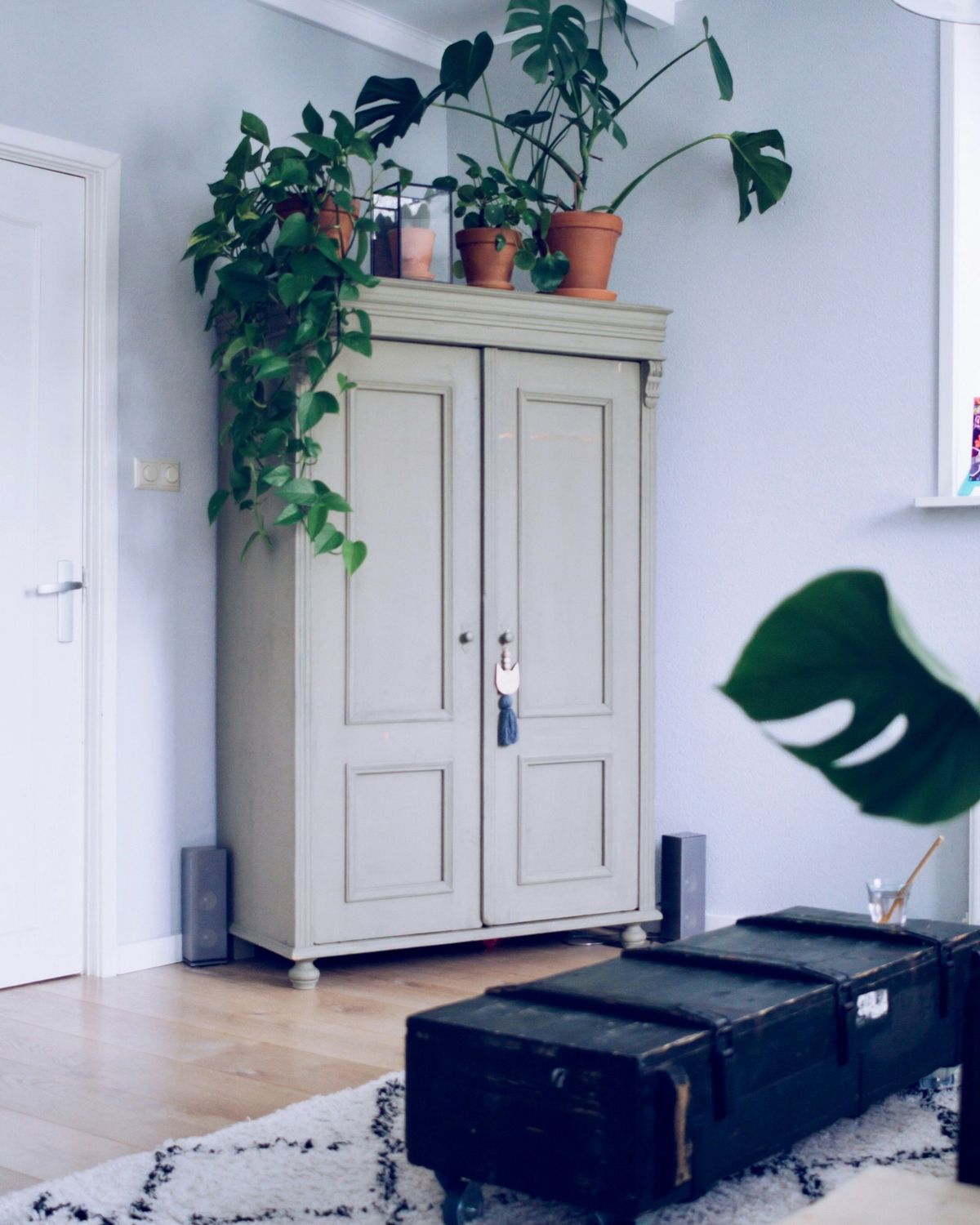
Solid wood side tables, trunks, armoires and lamps show up at thrift stores and yard sales, often for much less than new. Older pieces also give a small room character that flat-pack furniture can’t.
Check that drawers slide, legs don’t wobble and wood isn’t cracked or water-stained. Look over lamp cords for cracks or fraying before you plug one in, and search the CPSC recall list by product name for anything you plan to use near kids.
Cost: $ to $$ · Renter-friendly: Yes
Budget tip: measure your doorway and stairs before you buy anything big. A bargain that won’t fit through the door isn’t one.
Living Room Decor on a Budget: Measurements Cheat Sheet
| What | Rule of thumb | Source |
|---|---|---|
| Sofa to coffee table | 12–18 inches (Ashley Furniture says 14–18) | Wayfair, Ashley Furniture |
| Coffee table to TV stand or other furniture | About 30 inches | Wayfair |
| Coffee table length | About two-thirds of the sofa (60-inch sofa, 40-inch table) | Wayfair |
| Coffee table height | 16–18 inches; level with the seat cushions or 1–2 inches lower | Wayfair |
| Walkways | About 30 inches around pieces; at least 3 feet in high-traffic areas | Ashley Furniture, Wayfair |
| Conversation distance | Seats no more than 8 feet apart | Ashley Furniture |
| Rug for a small living room | 5′ x 7′ or 6′ x 9′, front legs on the rug | Wayfair |
| Sofa on the rug | Rug extends at least 6 inches past each side | Wayfair |
| Curtain rod | 4–6 inches above the frame (6–12 for a taller look) | Wayfair |
| Warm bulbs | Around 2,700K | U.S. Department of Energy |
Start Here: 3 Ideas for Any Budget
- Free: pull the sofa off the wall and clear the walkways (#1 and #2). The room works better before you buy a thing.
- Under $50: new pillow covers and warm bulbs (#6 and #12). Together they change the color and the evening mood of the room.
- Under $150: a slipcover (#5). It turns the biggest, most tired piece in the room into something you like again.
FAQ
How can I decorate my living room on a budget?
Start with what’s free: rearrange the furniture, clear the walkways and swap in decor from other rooms. Then spend small on pillow covers, warm bulbs and a throw, and save bigger buys for a slipcover, a rug or one statement piece.
What size rug do I need for a small living room?
Usually a 5′ x 7′ or 6′ x 9′, according to Wayfair’s rug guide, with the front legs of the sofa and chairs resting on it. Mark the size with painter’s tape before you buy.
How far should a coffee table be from the sofa?
About 12 to 18 inches. That’s close enough to reach a drink and still leaves room for your knees. Leave about 30 inches between the coffee table and the TV stand.
How do I decorate a rented living room without damaging the walls?
Choose pieces that stand, lean or plug in: floor and table lamps, a leaning mirror, a slipcover, pillows and rugs. Use removable hooks within their weight limits, and ask your landlord before you drill for curtains, shelves or a TV anchor.


